

Everyone dreams of clear, glowing skin, but achieving it isn’t always simple. From unexpected breakouts to dullness or uneven tone, our skin often reflects our lifestyle, habits, and environment. The good news is that most skin concerns have practical, science-backed solutions that really work. Let’s explore how to understand and treat common skin issues so you can put your best face forward.
Understanding Your Skin First
Before jumping into treatments, it’s important to know what your skin truly needs. Every skin type—oily, dry, combination, or sensitive—reacts differently to products and weather conditions. What works for one person might irritate another. Take time to identify your skin type by noticing how it feels a few hours after cleansing.
Once you understand your skin’s behavior, you’ll be able to choose products that actually help instead of harm.
1. Acne and Breakouts

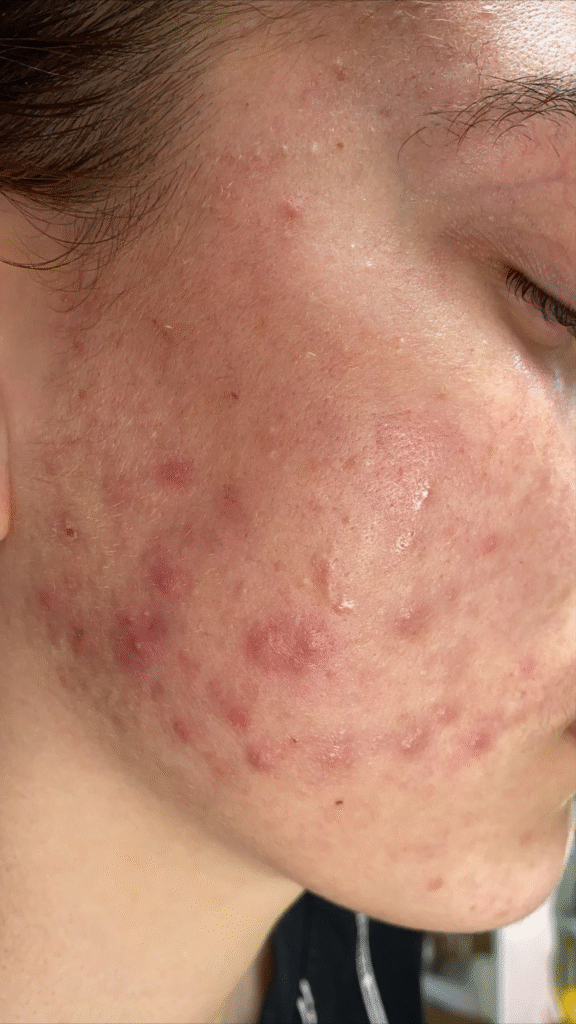
Acne is one of the most common (and frustrating) skin problems. It happens when pores get clogged with oil, dirt, or dead skin cells. Hormones, diet, and stress can make it worse.
How to fix it:
- Use a gentle, non-comedogenic cleanser twice a day.
- Look for ingredients like salicylic acid, benzoyl peroxide, or niacinamide to reduce inflammation.
- Avoid touching your face frequently and change pillowcases often.
- Stay consistent—acne treatments need time to show results.
Pro Tip: Drinking enough water and reducing sugary foods can make a visible difference.
2. Dryness and Flaky Skin

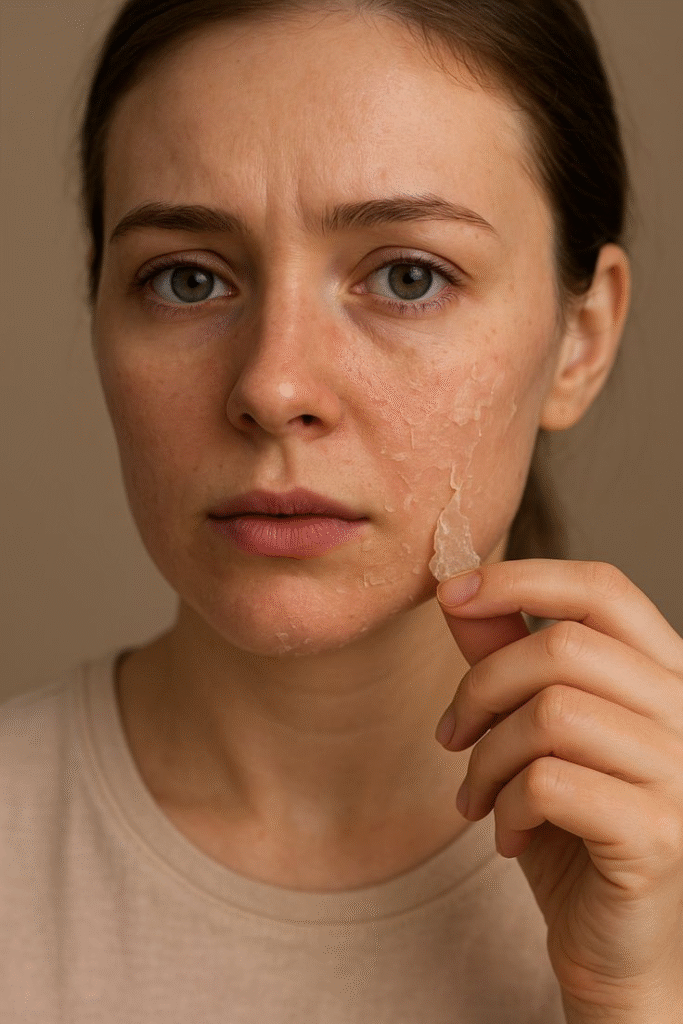
If your skin feels tight or rough, it’s probably dehydrated. Dryness can come from cold weather, over-cleansing, or harsh skincare products.
How to fix it:
- Use a hydrating cleanser and avoid foaming formulas.
- Apply a rich moisturizer with ingredients like hyaluronic acid, ceramides, or glycerin.
- Exfoliate once a week to remove dead skin, then follow up with a nourishing cream.
Pro Tip: Keep a humidifier in your room if you live in a dry climate. It helps restore moisture overnight.
3. Dark Spots and Pigmentation
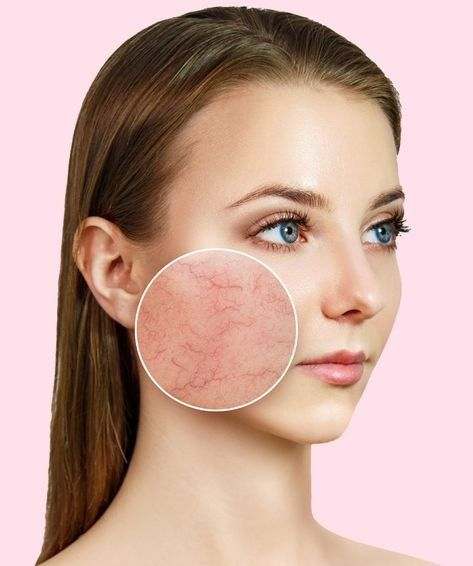
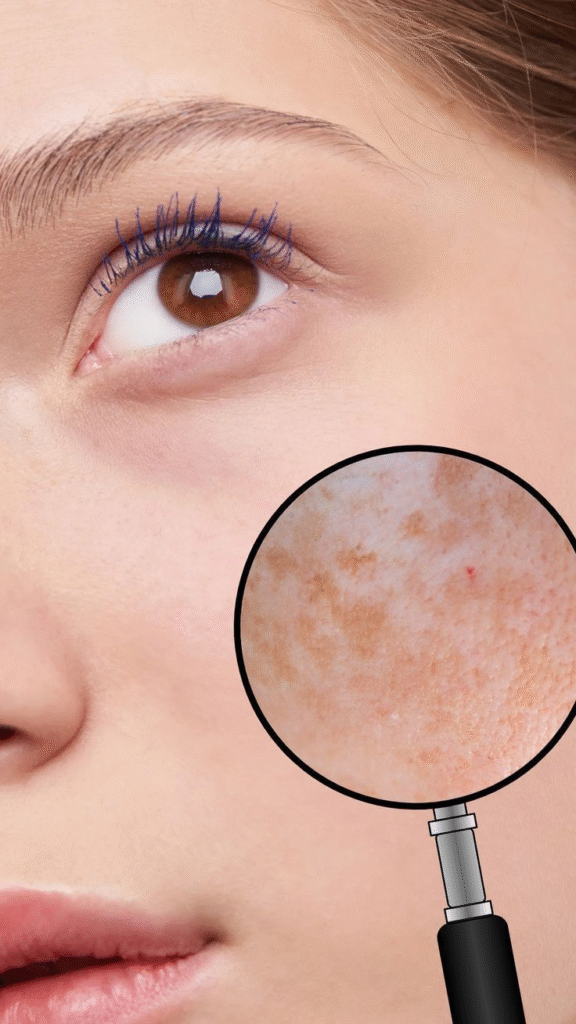
Uneven skin tone or dark patches often result from sun exposure, acne scars, or hormonal changes.
How to fix it:
- Always apply broad-spectrum SPF 30 or higher daily.
- Include vitamin C, niacinamide, or licorice extract in your skincare routine.
- Avoid picking or scratching blemishes—it can worsen pigmentation.
Pro Tip: For stubborn dark spots, try gentle chemical exfoliants like AHAs under dermatological guidance.
4. Dull and Tired-Looking Skin


Stress, pollution, and lack of sleep can steal your glow and make your skin look flat.
How to fix it:
- Use exfoliating toners or serums with glycolic acid to renew skin cells.
- Add antioxidant-rich serums like vitamin E or green tea extract.
- Prioritize sleep and eat colorful fruits and vegetables for natural radiance.
Pro Tip: A quick splash of cold water in the morning can instantly refresh dull skin.
5. Sensitivity and Redness

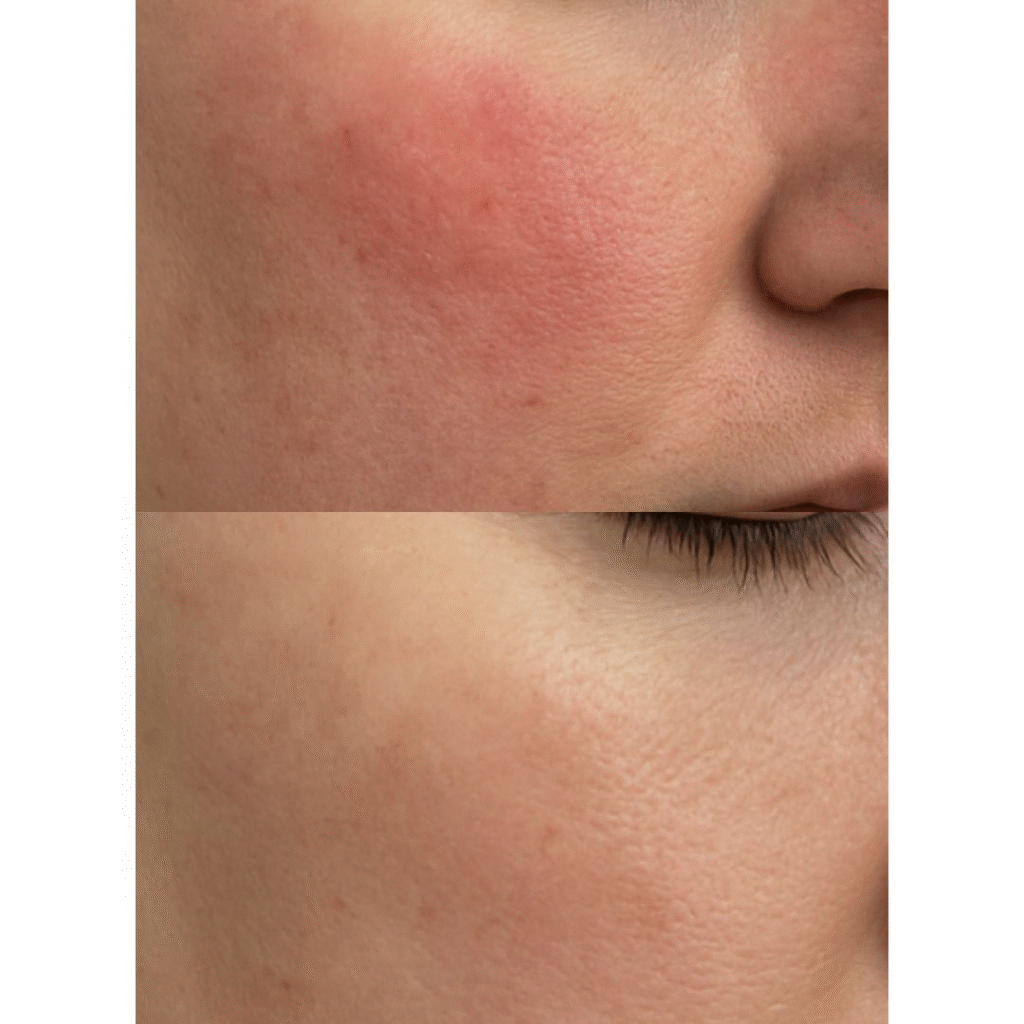
Sensitive skin reacts easily to fragrances, dyes, and temperature changes. Redness and irritation are common signs.
How to fix it:
- Choose fragrance-free, hypoallergenic skincare products.
- Avoid hot water while washing your face; lukewarm is gentler.
- Look for calming ingredients like aloe vera, chamomile, or centella asiatica (cica).
Pro Tip: Patch-test every new product before using it all over your face.
The Bottom Line
Clear skin isn’t about perfection—it’s about balance and consistency. Treat your skin kindly, follow a simple routine, and give it time to heal. Remember, healthy skin starts with good habits: stay hydrated, sleep well, eat clean, and protect your skin from the sun every single day.
With the right care and patience, clear skin is absolutely possible.
Disclaimer:This article is for informational purposes only. Always consult a dermatologist before trying new treatments or if you have persistent skin concerns.
#ClearSkinTips #SkinConcerns #HealthySkin #SkincareRoutine #Beauty2025 #SkincareSolutions #GlowingSkin #SkincareBasics #Anslation #Carrerbook
